Modern mullet haircut: what to ask for and how to wear it
What separates a modern mullet from the 1980s version
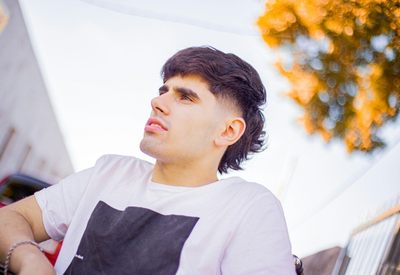
A man shows a photo of a mullet in the chair and nearly always asks the same question: will I look like a 1980s footballer? The worry makes sense. The old mullet had a hard break, with short hair at the front and sides, a long tail on the neck and nothing joining the two. The modern version depends on that join. The sides go into a taper or fade, the top stays textured, and the length at the back grows out of the shape in layers, so it never reads as a separate tail. The shape is older than its name. David Bowie wore it as Ziggy Stardust in the early 1970s, while the word itself took hold through the Beastie Boys, whose 1994 track Mullet Head is the first use the Oxford English Dictionary cites for the haircut. By then the cut had already been a stage costume and a running joke. Texture and fades brought it back because they removed the main flaw of the old cut, the gap between top and bottom. So ask about how the zones connect as well as how long the back should be. Long hair at the neck under heavy sides looks dated even on a very young face, and the same length under a clean taper looks deliberate and current. That choice shapes the result more than the number of centimetres on the neck. A current photo will guide your barber better than an old concert shot.
Name these three zones in the chair
A barber finds it easier when you describe the head by zones. Start with the sides: say whether you want a low taper around the ear and temple or a more visible fade. A taper is softer and grows out more gently, while a fade gives stronger contrast and loses its clean edge sooner. Next comes the top: around 7 cm leaves room for natural texture or a wave, and the fringe usually sits near the eyebrows. Last is the back: 5 to 8 cm ending on the upper neck works well for a first attempt. Layers matter more than the number here, since a thin unlayered tail is exactly the look people fear. Ask to see the transition from temple to nape in the mirror too, because the barber usually joins those zones with scissors and keeps the clippers for the lower edge. If you are still growing your hair, leave the back alone at earlier cuts, as the shape can only be built from what is already there. Bring two photos, one from the front and one from the side, because from the front a mullet often looks like an ordinary textured cut. At 044 Barbershop in Kyiv you can bring both photos and ask how a low or uneven hairline at your nape will change the shape of the back. After that it is clear how much can stay and where the transition should go.
Curls, the short version and daily styling
Curly hair holds a mullet well because the back gains volume by itself, but it needs more length: a wet curl of 8 cm can look far shorter once dry. Ask for the curls to be cut with their natural shape in view, and avoid taking the sides too low too abruptly, or the top starts to look like a cap. Fine straight hair suits a short mullet ending at the top of the neck, since a shorter back looks thicker than a long, sparse tail. Styling stays simple. Towel the hair, work in a little sea salt spray or light cream, push the top forward with your fingers and leave the back loose. Stiff gel glues the layers together and brings back the dated picture you wanted to avoid. Upkeep depends on the sides. The clean line of the taper or fade goes first, while the back only needs tidying. See your barber every one to two weeks to hold the outline and the transition, and grow the back gradually, taking off only split ends and excess weight. At a job that expects a quieter look, the back tucks under a collar or combs away, and the cut draws little attention. The back can sit unevenly for the first weeks, and that settles as the layers grow. Bring a photo and your current length to the chair, and you will find out which mullet your hair can carry today and which one needs a little more growth.