Beard Oil and Balm: What Each Does and How to Use It
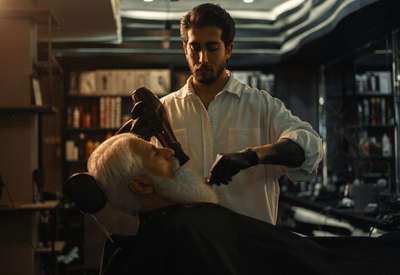
Oil or balm: which one does your beard need?
Beard oil softens the hair and the skin under it, and beard balm does the same with wax added, so it also holds the hair where you put it. Stubble and a short beard usually need only oil; a beard long enough to bend, frizz or flare out does better with balm, or with both. Oil is a blend of light plant oils, sometimes scented, and it stays liquid in the bottle. Balm is thicker because it adds waxes and butters, which is why grooming guides recommend it for longer, fuller beards that need some control. Your skin narrows the choice. The American Academy of Dermatology (AAD) suggests beard oil for normal to dry skin, a beard conditioner for acne-prone skin, and a fragrance-free, non-comedogenic moisturiser for sensitive skin. If spots already sit under the hair, the academy goes further: a small amount of non-comedogenic conditioner and no oil at all. The season moves the dose. Cleveland Clinic notes that dry skin is often worse in winter and in cold, windy weather, so a beard that was happy with two drops in September may ask for more by January, while on a hot day balm can feel heavy and many men keep only the oil. Let the beard tell you which one is missing. Skin that feels tight or flakes under the hair wants more oil at the roots. Hair that feels soft but still will not lie down wants balm.
Work the oil into the skin and the balm through the hair
Put oil on after a shower, once the beard is towel-dried and the skin is still a little damp: Cleveland Clinic names that moment as the best time to moisturise skin. Shake two or three drops into your palm for a short beard and add more only as the length grows. Rub your palms together, push your fingertips up from the neck against the growth so the oil reaches the skin, then smooth the hair back down. Dermatologists advise going sparingly, since you can always add another drop and a greasy beard is hard to undo. Balm goes on the same clean, damp beard. Scrape out a pea-sized piece with a thumbnail, rub it between your palms until it softens, and work it from roots to tips, pressing the hair in the direction you want it to lie. If you use both, most guides put the oil on first and the balm over it. Hands get product to the skin, and a comb or brush spreads it evenly and sets the shape. A wide-tooth comb suits a long beard and a natural-bristle brush suits a short, dense one. Barbers often see the same picture at the mirror: tips that shine over dry, flaking skin, because the oil was stroked over the surface and never reached the roots. At 044 Barbershop in Kyiv we sell some care products, so after a beard trim you can ask the barber whether your length calls for oil or balm and how much of it to use.
Oil softens a beard but will not make it grow faster
The most common mistake is too much product: if the beard feels heavy or greasy afterwards, it got more than it needed, so halve the dose next time. The second is a strong scent. Many oils contain essential oils, and DermNet lists tea tree, ylang-ylang, lemongrass, sandalwood and clove among those that most often cause contact allergy, with itching, redness and scaling where the product sits. The same source warns against putting neat, undiluted essential oil on the skin. Before a new oil or balm goes on your face, test it the way the AAD describes: a coin-sized patch on the inner arm, twice a day for seven to ten days, and if the skin reacts, wash it off and stop. Now the growth question. Does oil make a beard grow? There is no good evidence that it does. Cleveland Clinic says genes are one of the main factors in how thick a beard grows, that most beards keep gaining thickness and coarseness between 18 and 30, and that there is little research on proven ways to make one fuller. Castor oil, the folk favourite, has proven nothing either: a 2026 review in Cureus found no human study that measured hair growth with it, and its reputation rests mostly on lab work and anecdote. What oil does do, the AAD says, is soften both the skin and the beard hairs. Drop in for a beard trim: once the barber has evened out the length, a pea of balm has far fewer stray hairs to hold down at home.