Aftershave Lotion or Balm: Which to Use and How They Differ
Thin lotion, thick balm, gel or cream?
For most men a balm is the safer choice after a shave, and a plain face moisturiser does the same job. A lotion suits oily skin that tolerates it. The names describe texture. An aftershave lotion is usually a thin liquid, and the classic kind is mostly alcohol, which is why it cools and stings. A balm is a thicker mix of water and oils that stays on the skin and softens it. The American Academy of Dermatology (AAD) uses the same scale for moisturisers: a gel is often water-based and lighter than a lotion, while a cream is thicker, holds more oil and hydrates more. Cleveland Clinic dermatologist Jane Wu explains the alcohol. Such aftershaves were meant as an antiseptic to prevent infection, they can irritate and dry the skin, and for most people a moisturiser helps more. So choose by skin type. Dry skin wants a cream or a balm, and an AAD dermatologist advises people with dry skin to bypass lotions altogether. Oily skin can manage with a gel, the lightest texture. The front of the bottle rarely tells you which of these you are holding, so turn it round. Ingredients above 1% are listed from the largest share down, and Alcohol or Alcohol Denat. in the first three places means an alcohol lotion, whatever the front calls it. A word like "gel balm" tells you less than that list.
Peeling after a shave points to alcohol and lost water
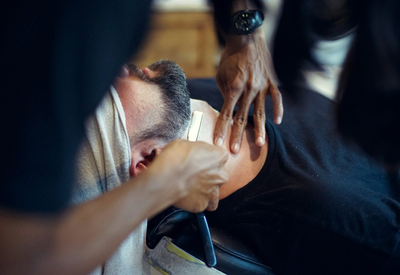
Skin that peels after a shave has a damaged barrier and has lost water. Cleveland Clinic describes what the blade does: it leaves tiny cracks in the top layer of skin, along with water loss and inflammation. An alcohol lotion on top takes more water away. The AAD advice for dry skin starts with putting aside products that contain alcohol, fragrance or retinoids. Look for "fragrance-free" rather than "unscented" on the label, since the AAD warns that an unscented product can contain chemicals that mask other smells and irritate dry skin. Shave at the end of a shower, when hair and skin are soft, and apply cream while your face is still damp; the AAD says moisturiser traps water in the skin that way. Give the peeling patch a break. Cleveland Clinic advises against shaving an area with razor burn until it clears, and suggests calling a doctor if the rash has not gone within a few days. If your face flakes mostly in winter, the AAD tips for dry skin include running a humidifier in the bedroom overnight. During a face or head shave with a hot towel at 044 Barbershop in Kyiv we apply cream before, during and after the shave. We also sell some grooming products, so you can read a label with the bottle in your hand and ask the barber about the texture before you buy.
Test it on your arm, then layer from thin to thick
Sensitive skin should meet new products one at a time. The AAD suggests testing first: apply the product twice a day for seven to ten days to a small spot on the underside of your arm or the bend of your elbow, and move to your face only if no redness, itching or swelling appears. If an aftershave burns or stings on your face, the AAD says to stop using it and try another. Do you need an aftershave at all? The AAD recommends a soothing one made to reduce razor bumps and irritation, and Cleveland Clinic recommends a gentle moisturiser after shaving. One product that soothes and moisturises covers both, so most men can use a balm or their usual face cream and skip a second step. When you do use two, order matters. Rinse off the shaving cream with warm water, hold a cool damp washcloth on the skin as the AAD advises, pat dry without rubbing, then work from thin to thick. Cleveland Clinic puts lighter products before heavier ones, so a lotion or gel goes on before a cream, and in the morning sunscreen goes last. On the neck, where hair grows in several directions, press the product in with your palms instead of rubbing it. Come in for a face shave with a hot towel and notice how your skin feels that evening, which tells you whether the sting at home comes from the bottle or from the shave.