How to Trim Your Beard at Home Without Losing the Shape
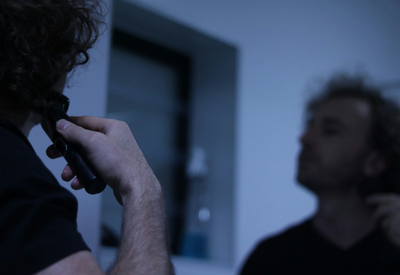
Which comb do you start with, and which way do you cut?
Sunday evening, the bathroom mirror, a trimmer fresh out of its box and a beard that has lost its shape over the month. Trimming your own beard is simple if you go slowly: wash and dry it, comb it out, then run the trimmer over it with the longest comb and drop one setting at a time until the length looks right. Dry hair matters here. Gillette points out that a wet beard looks longer than it is, so a beard trimmed wet dries shorter than you meant, and trimmers are designed to cut dry hair. After a shower, blow-dry the beard and comb it through again to see its real length. The number on each comb is the length of hair it leaves behind, according to Philips, and a new trimmer is best learned on the longest one. Trim against the direction of growth to take out bulk, keep the comb flat on the skin and cover the cheeks, chin and jaw in even passes. Then step back from the mirror. Men trimming at home tend to overdo the chin, because it is the part they see straight on, and the beard ends up thinner at the front than at the sides. Before you switch to a shorter comb, check your profile with a second mirror or your phone camera. If the length is close, stop there: a clean neckline and sharp edges change the look more than one more millimetre off.
The lines and the fade come after the length is even
Set the neckline next, with the comb off. Philips suggests resting a finger flat just above the Adam's apple and trimming a strip below it, then working outwards under the jaw towards one ear, back to the centre and out to the other side. Braun places the line two fingers above the Adam's apple and describes it as a curve between the lowest points of your ears that meets at the Adam's apple. Start at the lower of the two marks, since raising a line takes a minute, and if you have cut too high, Braun's advice is to let the hair grow back for a few days before trimming again. Shave off the hair below the line afterwards. On the cheeks, Philips suggests keeping the natural line if it already looks clean, or running a straight or slightly rounded line down to the bottom of the sideburns, with the trimmer held at a right angle to the skin and light pressure. For a beard that fades into the sideburns, Wahl's method starts with a comb one length shorter than the beard: trim from the bottom of the ear up to the sideburn, switch to a shorter comb about a centimetre above the ear, and repeat until the sideburns meet the length of your haircut. Do both sides with the same combs in the same order. At 044 Barbershop in Kyiv the barber finishes the lines of every beard trim with a dry or hot-towel shave, so the neck and cheeks stay clean below the outline.
Finish the moustache with scissors and know when to stop
Scissors finish the moustache and the stray hairs. Gillette recommends a small, sharp pair made for facial hair and a fine-toothed comb: comb the moustache so every hair lies in its natural direction and shows its true length, then trim from the sides towards the centre in small cuts, checking one side against the other. Hairs that hang over the lip come off at its edge. Philips trims the underside of the moustache with the comb off and the mouth closed, and leaves an optional clear line of about a millimetre above the lip. The AAD also suggests scissors and a beard comb for longer beards, and the same pair deals with the hairs that stick out from the cheeks after the trimmer. Snip them one at a time instead of running the trimmer over again. Then put the tools down at the right moment. If the neckline has climbed too high, the two cheek lines don't match or a step shows above the ear, each new attempt widens the gap, so leave it and let the beard grow for a few days. Gillette also advises against cutting stray hairs every day, because the beard loses volume. Keep the home trim to length and a clean neck, and if a line goes wrong, come in: the barber sees your jaw from the side and from below, where the bathroom mirror can't reach, and sets the line where there is still enough hair to shape.