How to clean and oil hair clippers, and how often
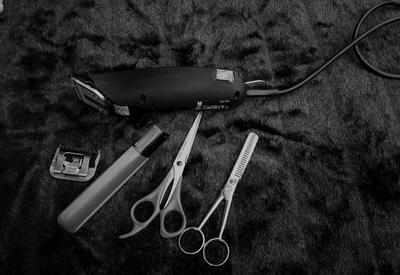
Brush the blade out after every cut
The neckline is done, the sink is full of cut hair, and the next two minutes decide how the clippers cut next time. Switch them off and unplug them, take off the guard and brush the hair out of the teeth and from under the blade with the small brush from the box; Wahl says an old toothbrush does the job too. If the blade comes off, remove it and clear the space behind it, as Braun advises. Whether the blade can go under the tap depends on the model. Wahl and Philips make blades you may rinse, while other Philips manuals forbid rinsing or immersing the machine, so read your own manual once and you will know which kind you own. Anything you rinse has to dry completely, because Wahl warns that a blade left wet will rust. Wash the plastic guards separately in warm, soapy water, as Wahl and Conair advise, and let them dry on a towel before they go back in the case. Philips also lists what should never touch the machine: compressed air, scouring pads, acetone and petrol. Braun suggests a deeper clean, with the blade off and a blade wash, after every two or three uses.
Where do the oil drops go, and how many?
Oil goes on a clean blade, never on one packed with hair. Wahl and Andis describe the same pattern: three drops across the teeth of the top blade, at the left corner, the centre and the right corner, then one drop on each side where the two blades meet. Braun says to tilt the clipper downward, switch it on and spread a few drops over the whole top of the blade. Keep the head pointing down so the oil runs into the teeth and away from the motor, let it run for a few seconds, then wipe off the excess with a clean cloth. How often to oil depends on the maker. Wahl says before and after every use, Andis between cuts, Braun every second use, and some Philips models need no oil at all, as their manual states. If no oil came in the box, check the manual before you add any. Use the oil the manual names: Philips allows sewing machine oil, and Braun warns that other oils can damage the clippers for good. At 044 Barbershop in Kyiv a machine haircut means two guard lengths with an edged or faded outline, and a home trimmer can keep the neck tidy between those visits without replacing them.
A blade that pulls: oil it first, then judge it
Brushing removes the hair; disinfecting deals with what you cannot see. Dr Jennifer Lucas, a Cleveland Clinic dermatologist, says bacteria live on clippers and razors and advises cleaning them every five to seven days at least, and the AAD gives the same five to seven shaves for an electric razor. Clear the hair off first: the Texas health and safety rules for barbers note that disinfectant stops working on a tool covered in hair and debris. Then spray the blade and the guards with a clipper disinfectant, leave them wet for the time on the label, wipe them and oil the blade. Check the product against the manual, because Philips forbids alcohol on some of its machines. You notice a worn blade in use. If it pulls hair, clean and oil it before anything else, since Braun notes that a blade clogged with hair pulls as well. If it still pulls after that, Andis and blade sharpeners say it needs sharpening or replacing, and a blade that heats up quickly points the same way. A chipped or missing tooth means a new blade straight away; Andis calls cutting with one dangerous. Come in every one to two weeks, and the barber will set an outline that your clippers at home only have to follow.