Burst fade: what it is and how to ask your barber for it
What separates a burst fade from a regular fade
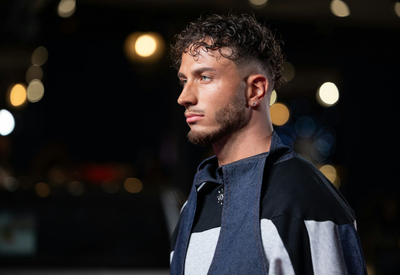
A burst fade is a fade that curves in a half circle around the ear and then stops, so the hair behind the ear and at the nape keeps its length. The shortest point sits right beside the ear, and from there the hair gets longer in every direction, which makes the short area look like a fan opening around the ear. An ordinary fade runs around the whole head and takes the back down with it. A burst leaves the back alone, and that one difference decides whether it is the right cut for you. If you like the clean look of a fade but want to keep some weight behind, this is the version to ask for. Men growing out a mullet or a longer back often land here, because a full fade would remove the very hair they have spent months on. People also search for it alongside curly hair, mohawks and crops, and the shape changes a lot with each of them, so the name alone gives the barber half the brief. Seen straight from behind, a burst can look like a full head of hair with a short arc at each ear, and that surprises plenty of men the first time. In a side-profile photo it is easy to mistake for a plain low fade, as the telling part sits out of shot at the back. It also keeps your options open: a long back can come off at any later visit, and once it is gone, growing it again takes months.
Which tops and hair types work with a burst fade
The curve needs something to contrast with, so the cut works best with length on top. Curly hair is the classic partner: the curls spread wide above a tight arc and the head gets a clear shape without losing volume. A mohawk is the other common pairing, as the burst clears the area around the ears and the strip down the centre stands out. With a mullet the logic shifts, since the short arc shows that the long back was left on purpose, and the whole thing stops looking merely grown out. Straight hair can carry it too, although the transition shows more plainly and any uneven spot is easier to see. In the chair, barbers tend to watch how the arc meets the ear and the sideburn, because heads are rarely the same on both sides and ears often sit at different heights. If the hair at your nape is fine, it can look thinner once the sides are cleared, so point it out before the first clipper pass. At 044 Barbershop in Kyiv a burst fade comes under a regular haircut, and the barber usually starts by asking how the back should look. With a longer top, scissors usually do the work up there and the clippers stay on the arc. If you wear a beard, say so early, as the arc passes right by the sideburn and the link to the beard needs agreeing separately.
Tell the barber where the arc stops behind the ear
The word burst leaves too much open by itself. Start with the back: say how long it should stay and whether you want it tidied or left exactly as it is. Then say how close to go at the ear, down to the skin or to a short guard of 1 or 2 mm. Next, point to where the arc should end behind the ear, because the whole shape hangs on that spot. Bring a photo that clearly shows the back of the head, since profile shots hide the part that matters most. A long back touches the collar, so think ahead about whether it should rest there or stop just above. The arc is the first thing to lose its shape. Hair grows about a centimetre a month, and at skin level even a few millimetres blur the line, so to keep the shape, come in every one to two weeks. Leave the arc alone at home, as one wrong pass with a trimmer flattens the curve and the barber then has to lift the whole line to repair it. Curls need only a little cream worked through damp hair with your hands between visits, and the back only needs combing. If you have not decided whether to keep growing the back, mention that before the cut, as it affects how high the arc should sit. Bring a photo of a back you like, and we will set the arc around your ear and keep the length you want to hold on to.