Van Dyke beard: how to grow it, shape it and keep the gap
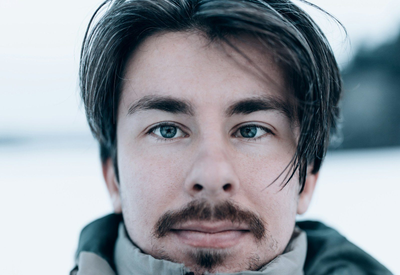
A moustache and a chin point, kept apart
Most beards their owners call a Van Dyke are really circle beards, with the moustache joined to the chin in a closed ring around the mouth. A true Van Dyke depends on the gap. The moustache sits apart, the chin point sits apart, a strip of clean skin separates them at the corners of the mouth, and the cheeks and neck stay shaved. Lose that gap and the shape becomes an ordinary goatee, which is the error barbers correct most often. The name comes from the Flemish painter Anthony van Dyck (1599 to 1641), court painter to Charles I of England. He wore the style himself, and so did the men in his portraits, the king included. On those canvases the moustaches curl upwards and the chin hair runs narrow and pointed, and today's barbers treat that as a reference while usually cutting it more modestly. Unlike a goatee, which can go with or without a moustache, this style needs both parts. If your moustache grows weakly, the shape will look unfinished, and another beard would serve you better. When the moustache comes in thick but the cheeks grow in patches, a Van Dyke becomes a handy way out: it asks nothing of the cheeks and shows only what grows best on your face. That makes it one of the few striking shapes open to men with a thin beard.
Growing the shape and briefing the barber
Start by growing, with the razor put away. Let the beard reach about 2 cm all over, so the moustache and chin hair match in length and there is plenty to choose the line from. If your patience runs to only a few weeks, you can begin from shorter growth, though the chin point will be smaller. Then the barber's work begins. First come the shaved cheeks and neck, usually down to a point just above the Adam's apple. Next is the edge of the chin point running down from the lower lip, and last is the strip at the corners of the mouth that sets the moustache free. Keep that strip narrow, or the two parts drift apart; a clear gap is enough. Say whether you want a pointed chin or a squarer one: the first lengthens the face, and the second looks calmer. The moustache can stay natural or have its tips lifted slightly with wax. At 044 Barbershop in Kyiv this shape comes under the beard trim, where modelling goes together with a dry or hot-towel shave, so the cheek lines come out clean. Bring a photo and point at the gap, since the words Van Dyke and goatee often mean the same thing in a client's head. That way your barber knows straight away which shape you mean. If the result is hard to picture, ask to leave a little more than the photo shows, as the extra can always come off at the next visit.
Who it suits and the work at home
A sharp chin point works well on a round face, stretching it and adding an angle where the lines run soft. A rectangular face needs a shorter, broader point, so the chin does not grow any longer. A short neck calls for a clean line above the Adam's apple, or the point blends into the neck. Grey hair is no obstacle either: a grey moustache and chin point against clean cheeks look striking. The work at home is simple but regular. Cheeks and neck grow back first, so shave them every few days, and clean the gap at the corners of the mouth with a narrow attachment, keeping clear of the moustache itself. Comb the chin point downwards and trim it at one guard length, and take stray hair under the nose with small scissors. Oil or balm helps the moustache lie flat, though a very greasy product makes the chin point look thin and sparse. The commonest home mistake is raising the line by a millimetre every time, until a month later the point has become too small. To prevent that, see your barber every one to two weeks, because a contour check restores the original lines. If the chin hair curls or grows sideways, the barber usually suggests a shorter length, since the line then holds its shape for longer. Take a seat with a photo that shows the gap, and you will walk out with a beard nobody mistakes for a plain goatee.