How a Barber Fixes a Bad Haircut: Uneven, Too Short or a Gap
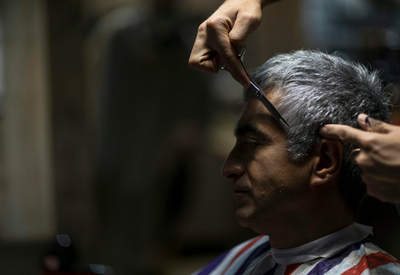
Can a barber fix a haircut that went wrong?
Yes, a barber can fix most bad haircuts, with one limit: nobody can put hair back, so every repair brings the rest of the head down to match the worst spot. That sorts the problems into three kinds. An uneven cut, with one side or the back sitting longer, is the easiest, because the barber levels everything to the shortest point and you lose a few millimetres. A cut that is simply too short has no repair except time, and the barber's work there is to tidy the edges so the result looks chosen rather than accidental. A gap, a step or a bare stripe from a clipper slip at home is the hardest, since the only honest answer is to cut the hair around it down until the two meet, which usually leaves the sides shorter than you planned. Scalp hair grows about a centimetre a month on average, so a mistake of one centimetre costs roughly a month of waiting and a mistake of three costs about a season. Before you decide which kind you have, let the hair dry and look from the side with a second mirror. Wet hair stretches and sits longer, so a cut that looks even in the bathroom can dry lopsided. Some holes are not holes at all: a crown whorl or a cowlick stands up once the hair is short and reads as a bald patch. Those need a different repair from a real gap, which is why a barber looks at your head dry before choosing one.
Uneven, too short or a bare step: three different repairs
Each of the three has its own repair. For an uneven cut the barber finds the shortest point first, usually one side or the nape, and brings the rest down to it in small passes, checking with a comb and from behind, because a difference of two or three millimetres is invisible from the front and obvious from the side. For a step or gap low on the sides, the repair is a fade: the barber takes the hair around the gap down gradually, so the short spot becomes the start of a blend instead of a hole. It works, and it costs you length around the gap. When the gap sits high, on the top or at the crown, a fade has nothing to hide behind, and the choice narrows to a short all-over cut or waiting. A short machine haircut forgives more than any other style, because one even length makes a patch disappear. At 044 Barbershop in Kyiv our barbers can level a home clipper accident with a machine haircut, which is two guard lengths with an edged or faded outline, and they can even out a lopsided scissor cut with a haircut. A cut that went too short on top asks for a different move. Nobody can lengthen it, so the work is to clean the neckline and the edges around the ears, keep the sides as they are and let the top grow, until the whole thing reads as a deliberate short cut. A fringe that went too short works the same way: grow it for a few weeks, sweep it to the side with a little paste, and leave the scissors alone.
Put the clippers down and show the cut as it is
Put the clippers down. The usual way for a small mistake to become a big one is the correction: you trim the long side to match, the other side is now longer, and three rounds later both are short. Barbers see this often enough that the first question in the chair is what you did to it yourself. Answer it in full, including the guard that slipped or the pass against the grain, because it tells the barber how much hair is left in the spot. Bring the photo of the cut you were aiming for as well, so the repair heads toward it. Decide in advance how short you can live with. Fixing a bad cut usually means going shorter, so a man with a wedding or a job interview in ten days should say so, since it may be better to leave a small unevenness and style around it than to lose length for the sake of symmetry. Until the visit, wash and dry the hair, sweep it forward or to the side with a little paste, and wear a cap if you need one. Afterwards, do the sums: at a centimetre a month, a cut that lost three centimetres takes about three months to come back, and the awkward middle weeks are the hardest. Come in with the cut exactly as it is: a barber works from behind the chair and sees the back and the crown, which you cannot judge from the front mirror at home, and that decides how short it needs to go to even out.