Beard for a round face: which shapes add length and which add width
Length at the chin, not width at the cheeks
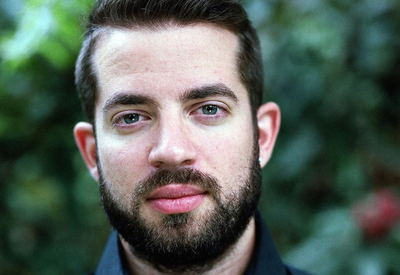
A beard for a round face should add length at the chin and keep the cheeks short. That means a boxed beard with a longer chin, a goatee and its anchor and Van Dyke variants, or a short beard with a slightly longer chin, all with crisp borders. The same rule shows which shapes hurt. A full beard that fills the cheeks and heavy sideburns add width where a round face already has plenty. Before you choose, look at where your hair is dense. If the chin and moustache grow thick and the cheeks stay bare, that is good news, because the best shapes for a round face grow from the mouth and chin. A quick check at home: look at your face from the front in daylight and note where the beard grows strongest. Shapes that need hair on the cheeks are the first to drop off the list.
Why the cheek line should sit lower than you think
On a round face the cheek line goes lower and straighter, from the sideburn to the corner of the mouth. Hair that grows up towards the cheekbone gets cut back, because cheek hair adds width. The neckline sits about two fingers above the Adam's apple. For a goatee or an anchor, shave the cheeks and the gap by the mouth, and the moustache may stay separate, as in a Van Dyke. At 044 Barbershop in Kyiv you can book a beard trim with modelling and a dry or hot-towel shave, if you would rather leave the line to the barber. Say that you want to lengthen the face and point to where the line should run.
A short beard and how often to see the barber
A short beard works as well when it keeps a longer point at the chin. To keep the shape, see the barber every one to two weeks. At home, tidy only the neck and whatever has grown above the line, and leave the cheek line itself alone. If you doubt a line, leave it for the visit. Come to us with a photo of the shape you like.